A natural treasure among geology, caves and trails in the Emilian Apennines
In the heart of the’Emilia-Romagna hides an extraordinary natural landscape, recognised in the UNESCO World Heritage Site: the Karst landscape of the Messinian Gypsums and evaporitic caves of the northern Apennines. This recognition, formalised in the September 2023, celebrates the beauty and uniqueness of ancient natural phenomena, where the geology, nature and history intertwine in settings of rare beauty.
What are Messinian Gypsums?
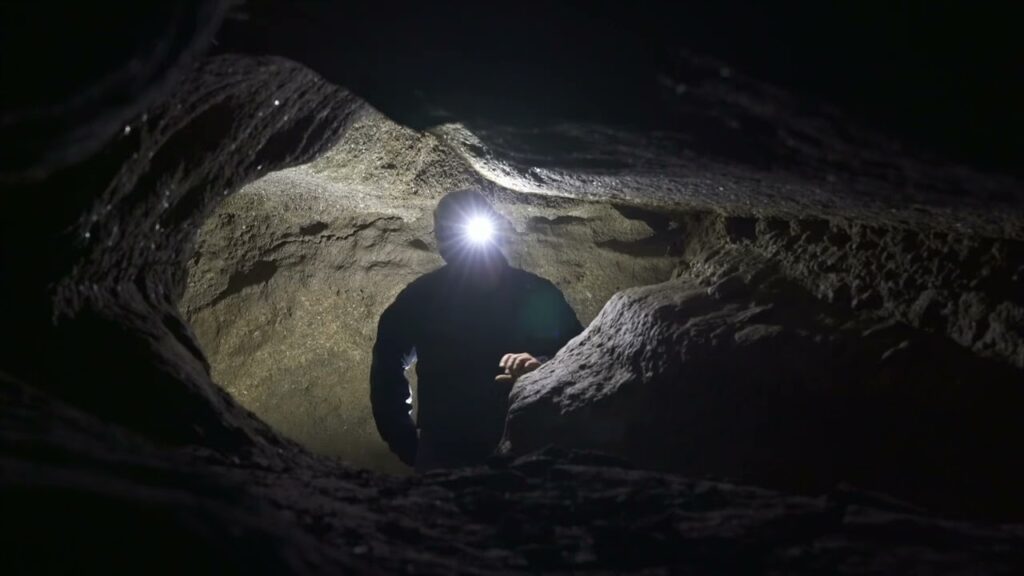
I Messinian chalks are rock formations of evaporitic origin (i.e. formed by the deposition of salts in sea water that dried up) dating back to about 6-5 million years agoto the period called Messinian. These rocks, rich in gypsum and salt, are extraordinarily soluble in water: over time, the action of natural agents has given rise to spectacular karst phenomena, such as caves, dolines, blind valleys and sinkholes.
The result is a unique landscape: whitish rock beds shaped by water and time, complex underground systems and numerous caves, including the famous Tana della Mussinain the surroundings of Albinea, which also preserves thousands of years of archaeological evidence.
Unesco recognition: why it matters
The site was included in the UNESCO list under the category “Karstification in evaporites and caves of the northern Apennines”, an award that brings together areas with similar geological characteristics in several provinces of Emilia-Romagna. The candidature received positive judgments for its geomorphological uniqueness and the high concentration of karst phenomena associated with evaporitic rocks.
This designation is not just a scientific celebration: it means greater protection, enhancement and promotion of the territory, with benefits for sustainable tourism, environmental education and public knowledge of a rare natural heritage. Environment Emilia-Romagna Region
A landscape to explore
The karst phenomena of the gypsums can be observed over a wide area from the province of Reggio Emilia to Romagna, passing through Bologna and Rimini. In the municipality of Albinea and in its area have been mapped over 40 caves, many of which are characterised by the three-dimensionality and natural forms modelled by water over millennia.
This heritage is accessible through a network of hiking trails, nature trails and caving activities, ideal for those who like to discover nature slowly and with curiosity.
Why visit the Messinian Gypsums
- Geology and nature: a landscape that tells millions of years of Earth's history.
- Caves and karstic caves: fascinating underground environments and habitats of specialised species.
- Trekking and trails: routes immersed in nature, perfect for excursions of all levels.
- Unesco Heritage: an award that values biodiversity and unique geological features.
A weekend of nature and flavours
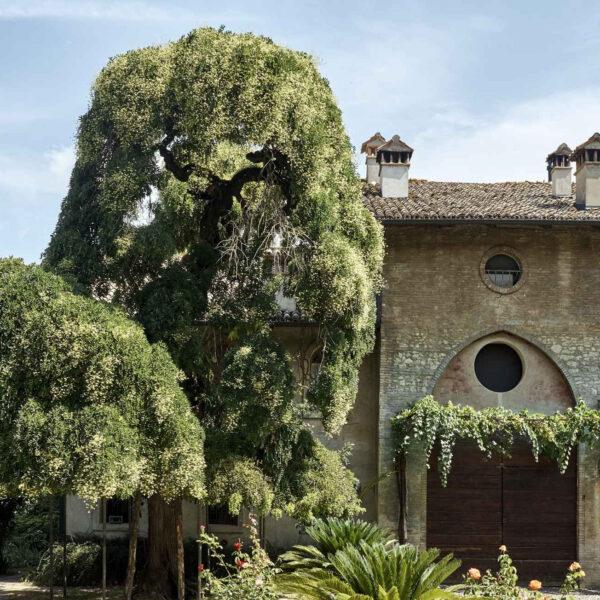
Visit the Karst landscape of the Messinian Gypsums can become the focus of a regenerating weekend in Emilia. After a day in the open air, among trails, panoramas and caves, you can stay in one of the most charming places in the area: the Mansions of the Balsamic Borgo. Here you can relax surrounded by centuries-old gardens, taste the authentic Traditional Balsamic Vinegar and savour typical local products in a charming atmosphere.
Discover hospitality solutions: https://www.ilborgodelbalsamico.it/le-dimore-del-borgo/
Conclusion
The Karst landscape of the Messinian Gypsums - Unesco World Heritage Site is one of the most amazing natural wonders of the northern Apennines and Emilia-Romagna. Between deep caves, spectacular rock formations and nature trails, this area offers an unforgettable experience for those who love the nature tourism, conscious adventure and geological beauty.