Every year, on the night of 5-6 January, millions of Italian children eagerly await the’arrival of the Befana, the friendly old lady who flies on a broomstick, entering homes to fill stockings with sweets and small presents. But who is really the Befana? Where does this all-Italian tradition, as beloved as it is mysterious, come from?
The origins: between pagan myth and Christianity
The figure of the Befana has very ancient roots, going back to popular beliefs and pagan rituals linked to the cycle of the seasons and agriculture. In Roman times, during the Saturnali (festivities dedicated to the god Saturn), twelve feast days were celebrated after the winter solstice. It was believed that, on these days, female entities flew into the heavens to bless the fields and bring fertility for the new year. One of these figures, a wise old woman, It embodied the end of the past year and the beginning of the new one.
With the advent of the Christianity, the legend has been transformed. According to Christian tradition, the Befana refused the Magi's invitation to accompany them on their visit to the Baby Jesus, only to regret it later and search every house, leaving gifts for the children hoping to find the Messiah.
Regional traditions: stockings, sweets and... coal!
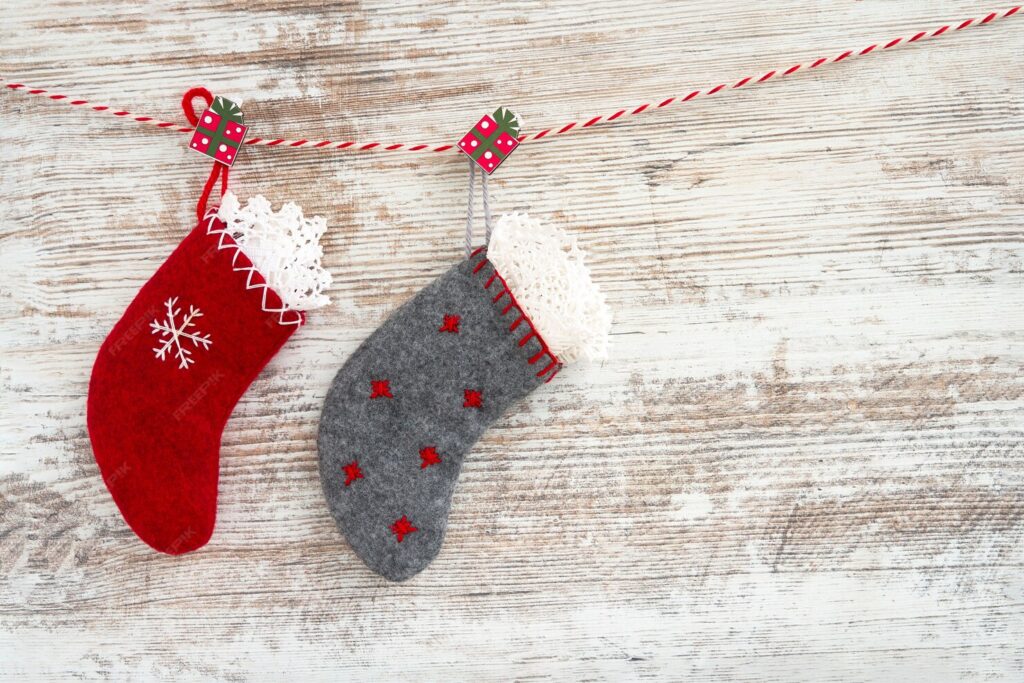
Today, the Epiphany night is an unmissable event throughout Italy, but with different traditions from region to region. In almost every city, children hang their stockings on the chimney, in the windows or at the foot of the bed, hoping that the Befana will fill them with candies, chocolates, dried fruit, sweets and small toys.
Those who have been good receive only sweets, while the naughtiest are left with the famous sweet coal (a sugary “punishment” now part of the game). In many cities, bonfires, markets and street parties are also organised, with real-life witches handing out gifts and telling stories.
In Tuscany, for example, the Befana arrives singing a typical dirge; in Veneto the “vecia” - a symbol of the past year being left behind - is burnt with large community bonfires that warm the squares and bring families together. At Lazio, especially in Rome, there are costume parades and giant stockings on display, while in Naples Tradition has it that fried sweets, such as struffoli, are also prepared for the stocking of the Epiphany.
In Umbria, especially in Urbania, a town that proclaims itself the official home of the Befana, a real three-day festival is organised with markets, shows and parades. In Emilia-Romagna, In addition to the classic stockings, there is no shortage of charitable initiatives linked to Epiphany, such as witches on motorbikes or on horseback distributing gifts and sweets to the little ones.
Also in Apulia The figure of the Befana is very much felt, and in the towns of Salento, the tradition of hanging stockings on the chimney and joyfully awaiting the arrival of the “old woman”, who often makes her appearance in the squares during popular events with music and dancing, is still alive.
Everywhere, however, the message is the same: a moment of sweetness, wonder and small gestures to end the holidays with a smile.
A celebration that unites generations
The Befana is perhaps the last true Christmas celebration that still unites grandparents, parents and children around a simple and timeless ritual. The mystery, the anticipation, the surprise when waking up: these are emotions that cross generations and make 6 January a special date, full of symbolism and affection.
And now...? End the holidays on a sweet note
If you are looking for an original way to celebrate Epiphany or surprise someone with a tasty thought, discover our selection of artisanal sweets: balsamic pralines, refined mustards, honey and compotes perfect to accompany cheeses and desserts.
🎁 Discover all the sweets of the Balsamic Borgo:
👉 https://www.ilborgodelbalsamico.it/dolci/
Make the end of the holidays even more magical with a gift that combines tradition, taste and beauty.